Best Surfboard Under $400: Ultimate Performance & Value Guide
Finding the **best surfboard under $400** is absolutely achievable for beginners and intermediates alike. This guide cuts through the noise, offering data-driven picks for **budget surfboards** that deliver exceptional performance without breaking the bank. Discover affordable options tailored to your skill and wave type, ensuring you get the most out of every session.
Surfboard Life · August 30, 2026 · 15 min read
Looking for the best surfboard under $400? You absolutely can find a high-performing board at this price point, especially if you focus on soft-tops, funboards, or savvy used market finds. For new surfers, a quality foamie around 7-8 feet offers unparalleled stability and wave count, while progressing riders can discover excellent soft-top fish or even epoxy hybrid shapes that deliver surprising performance for under $400.
Surfing is more accessible than ever, and a limited budget shouldn't prevent you from catching waves. At Surfboard Life, we understand that finding quality gear at an affordable price is crucial, especially for those just starting out or looking to add a versatile board to their quiver without a significant investment. This comprehensive guide will navigate the world of cheap surfboards, helping you discover options that offer both durability and wave-catching prowess. Forget the notion that you need to spend a fortune; with the right knowledge, you can score the best surfboard under $400 that will boost your progression and maximize your stoke.
We'll dive deep into specific models, material science, and smart shopping strategies. Whether you're a true beginner needing maximum stability, a progressing intermediate eyeing a more maneuverable shape, or a seasoned surfer wanting an extra affordable surfboard for small waves or guests, this guide has you covered. Get ready to find your next favorite board without emptying your wallet.
Unlocking Value: What to Expect from a Surfboard Under $400
The $400 price ceiling fundamentally shapes the type of surfboards available. Primarily, this budget range is dominated by soft-top foam boards, beginner-friendly hard tops, and occasionally, excellent second-hand deals on higher-end performance boards. Understanding these categories is key to setting realistic expectations and making an informed choice for the best surfboard under $400.
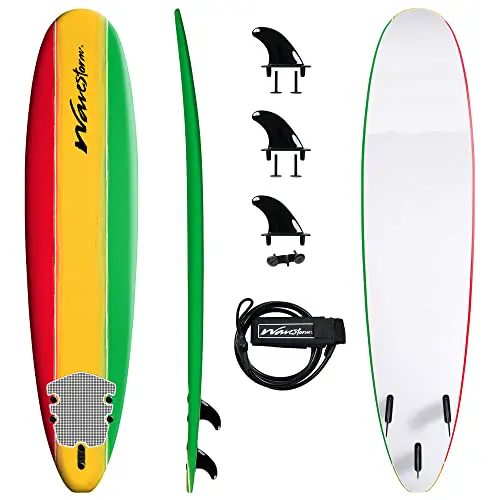
Soft-top surfboards are the undisputed champions in this price bracket, particularly for new surfers. Brands like South Bay Board Co., Thurso Surf, and Wave Storm offer incredibly durable, buoyant, and safe boards that accelerate the learning curve. These boards typically feature an EPS foam core, multiple stringers for rigidity, an IXPE/EVA deck for grip and softness, and an HDPE slick bottom for glide. Their construction makes them virtually ding-proof and highly resistant to impact, ideal for the inevitable bumps and drops of early surf sessions. For a true beginner, a 7-foot to 9-foot soft-top is arguably the best surfboard under $400.
Entry-level hardboards, often constructed from epoxy or durable composite materials, also appear in this range. These might be smaller funboards, fish shapes, or even some longer boards, often manufactured overseas to keep costs down. While they offer a more traditional surfing feel than soft-tops, their durability can vary. It's crucial to inspect the construction carefully, looking for quality laminations and fin box integrity. These can be great for intermediates or smaller surfers seeking a step up from a foamie.
Pro Tip: Always check the fin system on budget surfboards. FCS I or Futures fin systems are preferable, as they allow for fin upgrades. Many cheap surfboards come with basic, fixed, or proprietary fin setups that limit performance enhancement. Refer to our Fin Systems Guide for more details.
The Materials & Durability Equation for Budget Surfboards
When evaluating surfboards under 300 dollars or up to $400, understanding the materials is paramount for assessing durability and longevity. EPS foam cores are standard, often reinforced with wooden or composite stringers. The outer shell, however, is where the main difference lies:
- IXPE/EVA Deck (Soft-tops): Extremely durable against impacts, sun exposure (though can fade), and minor abrasions. Excellent for beginners as it's forgiving. However, it can be prone to pressure dents over time from knees and feet.
- HDPE Slick Bottom (Soft-tops): Provides a fast, robust sliding surface. Very resistant to scratches and impacts.
- Epoxy (Hardboards): More rigid and responsive than soft-tops. Generally more durable than traditional polyester boards, but still susceptible to dings and cracks that require repair. See our Repair Center for guidance on fixing dings.
- Fiberglass/Polyester (Rarely New, More Common Used): Less common for new boards in this price range due to higher manufacturing costs and lower impact resistance. Used poly boards, however, can be an incredible find.
Durability Score (Out of 5 Stars for New Boards <$400):
- Soft-tops: ⭐⭐⭐⭐⭐ (Excellent impact resistance, great for beginners)
- Epoxy Hardboards: ⭐⭐⭐⭐ (Good, but still prone to dings)
- Used Fiberglass/Polyester: ⭐⭐⭐ (Varies wildly by condition, prone to dings)
Choosing a board that aligns with your skill level and expected wear and tear is crucial for getting the most out of your investment. A new surfer will benefit immensely from the ruggedness of a foamie, which can withstand hundreds of clumsy wipeouts and minor collisions without structural damage.
The Best Surfboard Under $400 for Every Skill Level
Matching your board to your skill level is the single most important factor for progression. A board that's too small or too advanced will hinder your learning, while a well-matched board will make every session more rewarding. This section breaks down the best surfboard under $400 by rider experience.
True Beginners: Stability, Volume, and Fun
For those just starting, the primary goals are stability, paddle power, and a high wave count. This means volume is your best friend. A board with ample volume will float you effortlessly, making paddling easier and pop-ups more consistent. Forget what you see the pros riding; your journey starts with a stable platform.
- Recommended Board Type: Large Soft-top Foamies (Funboard or Longboard shapes)
- Typical Lengths: 7'0" to 9'0"
- Why they're the best: Incredibly stable, forgiving, durable, and safe. The soft deck reduces the risk of injury during wipeouts, and their buoyancy helps catch even the smallest waves. These are hands-down the best surfboards under $400 for learning.
Top Picks (New, often under $400):
- South Bay Board Co. Guppy/Ruppy Series (7'0"-8'0"): Excellent value, durable construction, good fin system. Often includes fins and leash. Expect to pay around $300-$380.
- Thurso Surf Max Series (7'6"-8'4"): Known for rigid construction and good performance for a foamie. Great stability and paddle power. Usually in the $320-$390 range.
- Wave Storm 8'0" Classic: The original affordable foamie. While basic, it gets the job done for many. Can often be found for $200-$300 during sales.
For detailed guidance on volume, use our Volume Calculator to find your ideal range based on weight and skill. A beginner typically needs 0.45 to 0.6 liters of volume per kilogram of body weight.
Progressing Intermediates: Stepping Up Your Game on a Budget
Once you're consistently catching waves, riding down the line, and perhaps attempting basic turns, you might crave a board with a bit more responsiveness. For progressing intermediates, the best surfboard under $400 often means a soft-top hybrid or a used hardboard that offers a blend of stability and maneuverability.
- Recommended Board Type: Soft-top Fish/Mid-length, or Used Epoxy Funboard/Fish
- Typical Lengths: 6'0" to 7'6"
- Why they're the best: These boards offer a good balance of paddle power and turnability. The wider nose and tail of a fish or hybrid help with wave catching, while the shorter length (compared to a longboard foamie) makes turning easier. For surfboards under 300 dollars, a used epoxy funboard can be a revelation.
Top Picks (New/Used, often under $400):
- Catch Surf Odysea Log/Plank (Used): While new Catch Surf boards often exceed $400, older models or slight cosmetic dings can bring them into range. Known for performance soft-tops. Look for 6'0"-7'0" sizes. Check local marketplaces.
- Wave Bandit Performer/EZ Rider (New): Good performance soft-tops for intermediates. The Performer offers a more pulled-in shape for turns. Typically $300-$380.
- Used Epoxy Fish/Funboard (Various Brands): Search local surf shops, Craigslist, Facebook Marketplace. Brands like Walden, Torq, or even older local shapers' boards can be found. Always inspect for major dings, delamination, or previous poor repairs.
Pro Tip: When buying a used board, always check the surfboard anatomy carefully. Look for signs of waterlogged foam (discoloration, heavy weight), delamination (bubbles under the glass), and professional repairs versus quick fixes. A good used board can be the best surfboard under $400, but a bad one is a money pit.
Experienced Surfers on a Budget: Niche Boards and Bargains
Even advanced surfers can find gems under $400. This often involves looking for specific shapes for particular conditions (e.g., small wave grovelers, classic longboard shapes) or mastering the used market for high-performance boards that have seen some wear and tear.
- Recommended Board Type: Used Performance Shortboard/Fish/Longboard, or New Small Wave Soft-top
- Typical Lengths: Highly variable based on preference and wave type.
- Why they're the best: Used boards from top shapers can offer incredible performance at a fraction of the new price. Small wave soft-tops provide a fun, durable option for less-than-ideal conditions without risking your primary stick.
Pro Tip: Many experienced shapers suggest a shorter, wider, thicker board (a groveler) for smaller waves, which can often be found on sale or used within the budget. Their insights highlight that volume distribution is key to making a board feel lively even in weak surf. Check out our Board Types Guide for more on grovelers.
Mastering the Used Market: Finding Premium Boards Under $400
The used market is where the savvy surfer can truly shine, uncovering an expensive brand name board for the price of a new affordable surfboard. This requires patience, a keen eye, and some negotiation skills, but the rewards are significant.
Where to Look for Used Surfboards:
- Local Surf Shops: Many shops have used racks or consignment sections. This is a great place to start, as boards are usually vetted, and you can get advice from staff. They often have entry-level hardboards or slightly dinged performance boards within your budget.
- Online Marketplaces: Craigslist, Facebook Marketplace, and dedicated surf forums are goldmines. Search terms like "surfboard," "used surfboard," or specific brand names (e.g., "Channel Islands," "Pyzel," "Firewire") combined with your local city/region. Filter by price to find surfboards under 300 dollars or $400.
- Surf Swap Meets: Seasonal events in surf towns where individuals sell their gear. Great for finding unique boards and negotiating directly.
- eBay/Other Online Retailers: Less ideal due to shipping costs, but occasionally a local pick-up deal pops up.
What to Inspect When Buying Used:
- Dings and Repairs: Small, watertight dings are common and acceptable. Large, open dings, or poor repairs that aren't watertight, can lead to waterlogging and delamination. Ask about repair history.
- Delamination: Look for bubbles under the fiberglass, especially on the deck or bottom. This means the foam core is separating from the fiberglass skin, often due to heat or impact, and can be costly to fix.
- Fin Boxes: Ensure fin boxes are solid and not cracked around the base. FCS and Futures systems should seat fins snugly.
- Overall Condition: Check for excessive pressure dents, sun damage (yellowing), or twists in the board's rocker.
- Weight: A waterlogged board will feel noticeably heavy for its size. Avoid these.
Pro Tip: Don't be afraid to negotiate, especially on boards with cosmetic flaws or those that have been listed for a while. Starting with an offer 10-20% below the asking price is reasonable, but always be respectful. For local deals, try to meet in a public place during daylight hours.
Specific Board Recommendations Under $400 (New & Used Market Focus)
This section offers specific models and types that consistently fall within the budget, catering to different rider preferences and skill levels.
New Soft-Tops for Beginners & Families:
- South Bay Board Co. 8'0" Casper (Approx. $360): A robust, stable soft-top perfect for learning. It has a classic longboard shape that maximizes paddle power and stability. Includes fins, leash, and a traction pad, making it an excellent all-in-one package for a budget surfboard.
- Thurso Surf 8'4" Max (Approx. $380): This board is lauded for its stiffness and glide, offering a superior ride feel compared to some flimsier foamies. Its size is perfect for larger beginners or families sharing a board. A prime example of the best surfboard under $400 for broad appeal.
- Catch Surf Odysea Plank 7'0" (Sale/Used, New often $450+): While new Odyseas typically exceed $400, on sale or in the used market, you can find a Plank. These are performance-oriented soft-tops, ideal for progressing intermediates who want a lively board without the risk of dings. Its single fin setup offers a classic, smooth ride.
Entry-Level Hardboards & Hybrids (New):
- California Board Company (CBC) 7'0" Funboard (Approx. $300): A common sight in surf shops, this epoxy funboard is a solid choice for beginners transitioning from foam or smaller intermediates. It's stable enough to catch waves easily but maneuverable enough to start turning. A strong contender for the best surfboard under $400 if you want a hardboard feel.
- Storm Blade Modern Retro Fish 6'6" (Approx. $350): A soft-top with a classic fish shape, providing a blend of foamie durability and hardboard performance. Great for small, weak waves and an excellent transition board for intermediates. Its twin fin setup offers a loose, playful ride.
Used Market Gems (Likely to find under $400):
- Older Mini-Malibu/Funboards (e.g., NSP, Bic, Torq, Walden): These durable epoxy boards are often found between 6'8" and 7'6" for $250-$380. Perfect for reliable wave catching and a smooth, forgiving ride. Excellent for intermediates or as a general fun board.
- Used Fish Surfboards (Various Shapers): A well-maintained used fish (e.g., from local shapers, or even older CI/Pyzel models with dings) can be had for $300-$400. These are fantastic for generating speed in small to medium waves and offer a more advanced, playful ride.
- Bargain Shortboards (If you know what you're doing): For advanced surfers, finding a used high-performance shortboard with a few dings from a reputable brand like Channel Islands, Pyzel, or Lost can definitely fall under $400. These require careful inspection and knowledge of shapes and dimensions that suit you.
Utilize our Board Finder Quiz to narrow down ideal board types and dimensions based on your specific needs, then hunt for those models in your price range.
The Long-Term Value & Upgrade Path of Budget Surfboards
Investing in a cheap surfboard isn't just about the initial cost; it's about the long-term return on investment (ROI) in terms of enjoyment, progression, and potential resale value. While a $400 board won't have the same resale as a custom performance board, it offers incredible value.
- Beginner Foamies: These boards hold their value surprisingly well due to their durability and constant demand. An 8'0" foamie bought for $350 can often be resold for $200-$250 after a season of heavy use, recouping a significant portion of your investment. This makes them a fantastic entry point into the sport.
- Entry-Level Epoxy Boards: Their resale value is moderate. A well-maintained board might fetch 50-60% of its purchase price, but dings and wear can reduce this. They offer a good stepping stone to more advanced boards.
- Used High-Performance Boards: If you snag a premium used board for $400, its value might remain relatively stable or even increase if you perform professional repairs. The real value is in the performance you get for the price.
Upgrade Path: Many surfers start on a soft-top, then move to a smaller funboard or fish, eventually progressing to shortboards. An affordable surfboard under $400 facilitates this journey, allowing you to learn the basics without fear of damaging an expensive board, and then providing a solid foundation for your next step. You can always refer to our Learn to Surf guide for further progression tips.
Pro Tips for Maximizing Your $400 Surfboard Budget
Beyond the board itself, consider other factors that impact your overall surfing experience and budget.
- Buy a Leash and Fins with the Board: Many new budget surfboards (especially soft-tops) include these. If not, factor them into your budget. Good quality fins can significantly improve the performance of even the most cheap surfboards. A leash is essential for safety and not losing your board.
- Protect Your Investment: Even surfboards under 300 dollars need care. Rinse your board with fresh water after each session, store it out of direct sunlight (especially soft-tops, which can delaminate or warp in extreme heat), and consider a basic board bag for transport if you're getting a hardboard.
- Consider Your Local Waves: While the best surfboard under $400 for a beginner is almost universally a foamie, if you're surfing mostly small, mushy waves, a wider, higher-volume board (like a fish or mini-mal) will serve you better than a narrow shortboard, even as you progress. Our the board finder can help you analyze your local break and recommend suitable shapes.
- Don't Forget Wetsuits/Accessories: Your budget for the board is one thing, but consider the total cost of getting in the water. A good wetsuit, booties, and wax are essential. Look for sales on these items too!
According to an experienced shaper, "The best board for you isn't always the most expensive. It's the one that matches your current skill, the waves you surf, and importantly, brings you the most joy. Don't let ego dictate your board choice, especially on a budget. A well-chosen soft-top will get you more waves than an ill-suited 'performance' board any day." This wisdom underscores that the true value of a surfboard under $400 lies in its ability to get you surfing effectively and frequently. Professional surfers, like those on the World Surf League (worldsurfleague.com) circuit, often started on basic, affordable surfboards before moving to high-performance equipment. Sites like Surfline (surfline.com) often feature articles on beginner gear that align with these principles.
Conclusion: Catching Waves on a Budget is More Than Possible
Finding the best surfboard under $400 is not just possible; it's an exciting journey that can lead to incredible value and endless surf sessions. Whether you opt for the unparalleled durability and ease of a new soft-top, the progressive performance of a hybrid, or the unbeatable deals found in the used market, you have excellent options available. By focusing on volume, suitability for your skill level, and smart shopping strategies, you can easily find an affordable surfboard that will help you progress, have fun, and fall in love with surfing without emptying your bank account. Don't let budget constraints keep you out of the water; the perfect wave-catching machine is waiting for you.
Frequently Asked Questions
Q: Are soft-top surfboards good for learning? A: Absolutely! Soft-top surfboards are highly recommended for learning. Their stability, buoyancy, durability, and soft deck make them incredibly forgiving and safe for beginners, accelerating the learning process by maximizing wave count and minimizing injury risk.
Q: What's the best length for a beginner surfboard under $400? A: For a true beginner, the best surfboard under $400 will typically be a soft-top between 7'0" and 9'0". Longer boards offer more stability and paddle power, which are crucial for catching waves and standing up consistently.
Q: Can I find a good quality, used surfboard for under $400? A: Yes, the used market is an excellent place to find high-quality surfboards under $400, including performance boards from top shapers that might otherwise be out of budget. Key is to inspect for dings, delamination, and waterlogging, and be patient in your search.
Q: Do cheap surfboards last long? A: Many cheap surfboards, particularly soft-top foamies, are surprisingly durable and can last for several years with proper care. Their construction is designed to withstand impacts. Hardboards under $400 can also be durable if made with epoxy, but they are more susceptible to dings than soft-tops.
Q: What's the main difference between a $400 board and a $700+ board? A: The primary differences lie in materials, construction precision, and performance characteristics. More expensive boards often use advanced composites, lighter foams, and custom shapes for specific performance needs, offering greater responsiveness, speed, and maneuverability tailored to advanced surfing. A $400 board focuses more on durability, stability, and accessibility for a broader range of surfers.