Best Surfboards California: Your Ultimate Wave Guide
Discovering the best surfboards California offers requires understanding its diverse coast and unique wave conditions. This guide provides expert recommendations from Northern California's powerful breaks to Southern California's mellow waves, ensuring you pick the perfect board for any session. Find your ideal ride and unlock California's legendary surf.
Surfboard Life · March 30, 2026 · 12 min read
For surfers seeking the best surfboards California has to offer, selecting the right board is paramount due to the state's incredibly diverse and dynamic coastline. From the powerful, cold-water reefs of the North to the sunny, often-mellow point breaks of the South, knowing which surfboard to ride makes all the difference. This comprehensive guide will dissect California's unique wave conditions, offering tailored recommendations to help you navigate its legendary surf efficiently and with maximum stoke.
California is a surfing mecca, a patchwork of distinct surf zones demanding different tools for the job. Our aim is to provide unparalleled insights, ensuring that whether you're eyeing a session at Mavericks, Malibu, or Trestles, you're equipped with the knowledge to make an informed choice. We'll delve into the nuances of California wave conditions board selection, highlighting how seasonal swells and regional characteristics dictate your quiver. Prepare to discover the ultimate resource for finding your next, or perhaps your first, Californian wave-slaying machine.
Understanding California's Diverse Surf Landscape
California's coastline, stretching over 800 miles, is an ecological and surfing marvel. It’s crucial to understand that a board excelling in one region might be completely out of its element in another. This regional variation is the cornerstone of informed California wave conditions board selection.
Northern California: Power and Precision
Northern California surfing is synonymous with rugged coastlines, powerful winter swells, and often, colder water. Breaks here, such as Ocean Beach in San Francisco or the formidable Mavericks, demand robust, performance-oriented boards. Waves in this region tend to be larger, colder, and more disorganized, often requiring more volume and refined rocker lines. Surfers in this region typically favor boards that handle speed, drops, and powerful currents.
- Typical Wave Characteristics: Large, powerful, fast, often hollow, cold water.
- Seasonality: Winter brings massive N/NW swells; summer can be smaller but still punchy.
- Board Traits: Good paddle power, strong construction, reliable fin setups, often with slightly more volume than equivalent Southern California boards.
Central Coast: Varied and Versatile
Transitioning south, the Central Coast offers a blend of Northern and Southern California characteristics. Spots like Santa Cruz (Steamer Lane) and Morro Bay can serve up hollow, powerful waves, but also more playful, user-friendly options. This region often sees a mix of swell directions, requiring a more versatile quiver. California surf break specific boards here often lean towards all-rounders that can perform across a range of conditions.
- Typical Wave Characteristics: Can be powerful and hollow, or mellower point/beach breaks.
- Seasonality: Consistent swell exposure year-round, with winter delivering larger waves.
- Board Traits: Versatility is key; good balance of paddle-ability and maneuverability. Hybrid designs and performance mid-lengths are particularly popular.
Southern California: Mellow to Performance-Driven
Southern California is perhaps the most iconic surfing region globally, known for its consistent, often-mellow waves at legendary breaks like Malibu, San Onofre, and the world-class Trestles. While it certainly has its heavy days, especially during strong SW swells, the predominant conditions favor Southern California shortboards that prioritize maneuverability and speed in smaller to medium surf, and longboards for the abundant playful, rolling waves.
- Typical Wave Characteristics: User-friendly, often softer or rolling, can be punchy and hollow at apex breaks.
- Seasonality: Summer offers consistent W/SW swells; winter brings NW swells often wrapping in a bit smaller.
- Board Traits: Emphasis on drive, speed, and tight turns for performance shortboards; glide and trim for longboards. Alternative shapes (fish, hybrids) are increasingly common for maximizing fun in everyday conditions.
Pro Tip: Always check the local forecast on sites like Surfline (surfline.com) to understand swell direction, period, and height before choosing your board for any California spot. Local knowledge is invaluable!
Finding the Best Surfboards California for Northern Waters
When tackling Northern California, your surfboard selection needs to emphasize paddle power, stability, and durability. The waves here are no joke, often cold and relentless. This is where longboards can shine on smaller days, but dedicated shortboards for power are often prioritized.
Performance Shortboards for NorCal Power
For spots like Ocean Beach, Fort Point, or even Mavericks (if you're an expert big-wave surfer), you'll want a performance-driven board with more foam than your average SoCal flyer. Look for:
- Increased Length & Volume: A few extra inches and liters (check our Volume Calculator) will make a significant difference in paddle battle and getting into powerful waves early. Expert shapers often recommend adding 1-2 liters for NorCal surf compared to your typical daily driver.
- Medium to Low Entry Rocker: Helps prevent pearling on steep drops while still allowing for speed generation.
- Pin or Rounded Pin Tail: Provides hold and control in powerful, bigger waves.
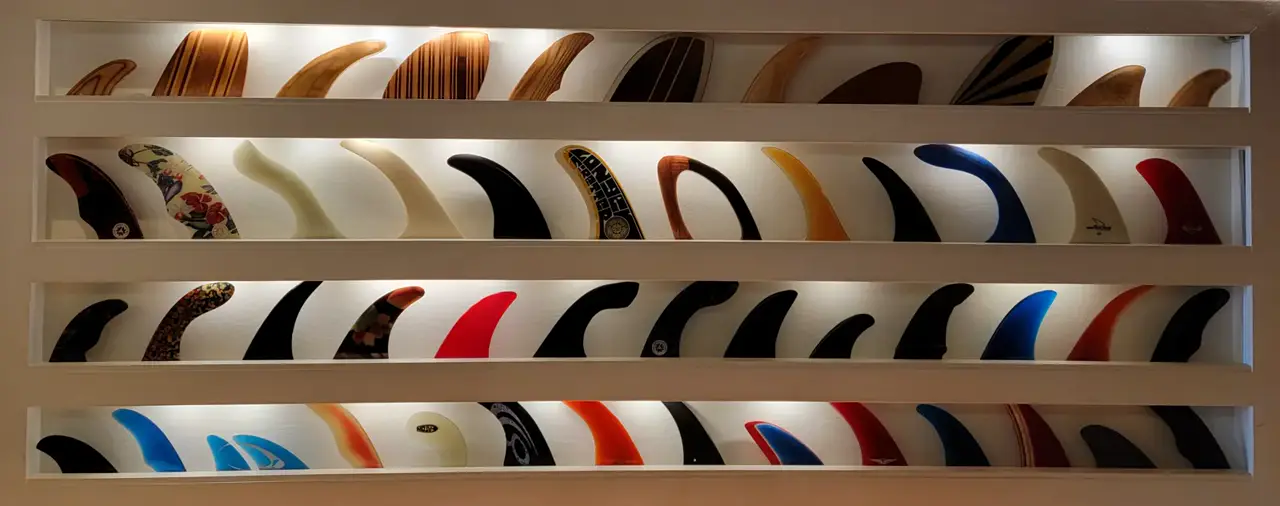
- Strong Glassing: 6+4 oz deck and 6 oz bottom offers durability against heavy waves and impact. FCS II or Futures fin systems with quality fins (see our Fin Systems Guide) are crucial for reliability. Look for newer composite fin constructions (e.g., carbon-infused) for enhanced response and durability.
NorCal Longboards and Mid-Lengths
While NorCal is known for its heavy surf, there are also numerous beach breaks and smaller days where a longboard or mid-length excels. These are designed for glide and trim on wide-open faces.
- Classic Single Fin Longboards: For cruisy, smaller days at breaks that can handle length. Look for traditional noseriders or versatile all-around longboards (9'0" - 10'0").
- Performance Mid-Lengths (7'0" - 8'6"): Highly versatile for a range of conditions, offering paddle power and maneuverability. Great for surfers transitioning from shorter boards or those who want more glide than a shortboard without the full commitment of a longboard. Modern mid-lengths often feature more progressive bottom contours and fin setups (e.g., 2+1 or quad) to enhance turning.
Pro Tip: Due to often-cold water, thicker wetsuits are essential. This means your board needs extra volume to compensate for the added buoyancy and reduced flexibility of your wetsuit. Don't go too low on volume! Consider eco-friendly wetsuit options and accessories made from recycled materials or natural rubber.
Southern California Shortboards: Speed and Maneuverability
Southern California's waves, while varied, often call for boards that prioritize speed, tight turns, and responsiveness. The concept of Southern California shortboards embodies this need for agile, high-performance designs, but also incorporates user-friendly options for the more regular, smaller days.
Performance Shortboards for Everyday SoCal Surf
For renowned breaks like Lower Trestles, Huntington Beach, or Rincon on a good day, surfers opt for finely tuned machines. The best surfboards California offers in this category are often designed by local shapers who understand the nuances of these specific waves.
- Standard Performance Shortboards: Lengths typically 5'8" - 6'4" with moderate rocker, a squash or round tail for versatility. Emphasize speed generation and quick transitions. Newer models often incorporate carbon strips or stringerless EPS/epoxy constructions for a livelier feel and improved durability.
- Fish/Hybrid Boards: Excellent for everyday, weaker SoCal conditions. Shorter, wider, and thicker than traditional shortboards (e.g., 5'4" - 5'10"), they excel at catching waves easily and generating speed on flatter sections. A twin-fin or quad fin setup often complements their design. Modern variations include "mini-simmons" or wider-tailed performance hybrids for small-wave shredding.
- Small Wave Performance Boards (Grovelers): For those inevitable small summer days. These feature even wider noses and tails, flatter rockers, and often extra volume for maximum speed and pop in knee-to-waist high surf. Look for innovative bottom contours like channels or deep concaves to generate lift.
Longboards and Mid-Lengths for SoCal Glide
Southern California is longboard country. Iconic spots like San Onofre, Malibu, and Doheny are perfect for traditional wave riding. Here, longboards find their true home, providing endless glide and style.
- Classic Malibu Loggers: Think 9'0" - 10'6" traditional single fin longboards with a focus on nose riding and fluid trimming. Ideal for the rolling, often mellow waves of famous point breaks. Modern loggers sometimes integrate subtle rocker changes or fin box adjustments for increased versatility.
- Performance Longboards: For surfers who want to turn a longboard more aggressively, these boards (often 8'6" - 9'6") have more rocker, sometimes a 2+1 fin setup, and a slightly pulled-in tail. These are often made with lighter EPS foam for enhanced maneuverability.
- Funboards/Mid-Lengths: Very popular for their wave-catching ability and stable platforms, especially for beginners or those seeking an easier paddle. Typically 6'8" - 8'0" with ample volume. Learn more about different board types in our Board Types Guide. Soft-top versions are increasingly popular for learn-to-surf schools and easygoing summer sessions.
Pro Tip: For many Southern California breaks, especially during summer, a performance mid-length or a hybrid fish is an incredibly versatile choice that allows for fun in small waves while still handling a bit of size. Consider reusable leash ties and eco-wax for a more sustainable surf session.
California Surf Break Specific Boards: Localized Wisdom
Understanding generalized regional needs is good, but truly unlocking the best surfboards California has to offer means diving into break-specific recommendations. This is where local knowledge truly shines.
Malibu: The Quintessential Longboard Wave
Malibu's First Point is world-renowned for its long, peeling, user-friendly waves. It's the ultimate playground for traditional longboarding.
- Ideal Board: Classic single-fin longboard (9'0"+), high volume, plenty of nose rocker for noseriding. Think traditional logs.
- Alternative: Performance longboards or even mid-lengths (7'0"-8'0") can work well on larger days or for those who prefer more maneuverability.
Rincon: The Queen of the Coast
When Rincon is on, it's one of the longest, most perfect point breaks on the planet. It offers long, carvable walls.
- Ideal Board: Performance shortboard (your everyday driver for SoCal) or a high-performance Southern California shortboard. Many will also ride hybrid shortboards or even mid-lengths on smaller days to maximize glide and speed through sections.
- Key Feature: Speed generation and excellent rail-to-rail surfing are paramount. Consider a board with a refined rail profile for seamless transitions.
Trestles (Lower Trestles): High-Performance Mecca
Lower Trestles is a high-performance wave, attracting pro surfers globally. It's fast, rippable, and offers both rights and lefts.
- Ideal Board: High-performance shortboard (5'8"-6'2"), typically with a squash or round tail. Emphasis on quick turns, airs, and powerful carves. This is the epitome of a Southern California shortboard designed for pro-level maneuvers.
- Fin Setup: Thruster (3 fins) is standard, but quads can offer more speed in weaker sections. Advanced surfers are experimenting with 2+1 setups on high-performance shortboards for increased drive and less drag.
Ocean Beach (San Francisco): North Coast Beast
Ocean Beach is a powerful, shifty, and often challenging beach break. It commands respect and the right equipment.
- Ideal Board: More volume than your typical shortboard (e.g., 6'0" - 6'8"), durable construction, good paddle power, rounded pin or pintail for hold. A dedicated gun or semi-gun for bigger days. This is a prime example where specifically crafted high-volume shortboards for power are key.
- Fin Setup: Thruster or quad for drive and control in powerful conditions. Larger, stiffer fins are often preferred here.
Mavericks: Legendary Big Wave Spot
Not for the faint of heart, Mavericks demands specialized equipment.
- Ideal Board: Gun (10'0" - 12'0"+) with extreme rocker, ultra-strong glassing (often custom carbon reinforcement), and a narrow pin tail. Designed purely for survival and high-speed drops on enormous waves. These are highly specialized California surf break specific boards.
- Fin Setup: Quad or 2+1 for maximum drive and stability. Often with custom, larger fin designs.
Pro Tip: When traveling, consider a travel-friendly board bag with ample padding and always inspect your board before and after flights. Newer board bag designs incorporate impact-resistant materials and internal compression straps. Our Repair Center offers great advice for ding repair on the go.
The Role of Local Shapers and Brands in California Surfboard Selection
California is a hotbed of surfboard innovation, home to legendary shapers and iconic brands. When searching for the best surfboards California offers, considering local expertise is crucial. Many shapers have spent decades refining designs specifically for local waves, creating California surf break specific boards.
- Chemistry Surfboards (Oceanside): Known for high-performance shortboards tailored for Southern California's punchy beach and reef breaks. (chemistrysurfboards.com)
- Rusty Surfboards (San Diego): A long-standing brand with a reputation for versatile performance boards, from high-performance shortboards to hybrids. Continually innovating with new constructions and materials.
- Album Surfboards (San Clemente): Gaining significant traction for innovative, high-performance designs, especially in twin-fin and alternative shapes that excel in a variety of SoCal conditions. Their aesthetic and performance have influenced many other shapers.
- Channel Islands Surfboards (Santa Barbara): One of the most iconic brands globally, with a rich history of crafting boards for professional surfers and everyday riders alike, perfectly suited for spots like Rincon and surrounding Santa Barbara breaks. They continue to release pro-model designs with cutting-edge performance.
- Pearson Arrow (Santa Cruz): A key player for Northern and Central California, known for high-quality boards across various categories, particularly good for stronger waves. Their big wave guns are highly regarded.
- Ryan Lovelace Surfboards (Santa Barbara): Specializing in alternative, displacement hull, and mid-length designs, perfect for the gliding, carving style often found at Central/Southern California point breaks.
- Gary Hanel Surfboards (San Diego): A master craftsman known for his precise hand-shapes, especially for performance shortboards and step-ups that excel in powerful, quality waves.
These brands, among many others, embody the spirit of Californian surfing and offer designs perfectly suited to local California wave conditions board selection. Visiting a local surf shop and talking to shapers is an invaluable step in finding your perfect board. Many shapers now offer "demo days" allowing surfers to try out various models.
Sizing Your California Surfboard
Using a Volume Calculator is essential for proper board sizing. For California's diverse waves, especially if you're riding in both North and South, you'll want different volume profiles:
- Northern California: Often slightly more volume than you'd typically ride to enhance paddle power and stability in heavier, choppier conditions. Consider adding 0.5-1.5 liters compared to your ideal "daily driver" volume.
- Southern California: Can often ride closer to a 'standard' performance volume, or even slightly under-volumed for experienced surfers seeking maximum responsiveness in cleaner, smaller waves. For everyday fun, however, a touch more volume (e.g., a groveler or hybrid) is often preferred, particularly with the rise of higher-volume, shorter board designs that offer performance without sacrificing wave count.
Seasonal Considerations for California Surfboard Selection
California's seasons dramatically impact swell patterns and, consequently, your board choice. This is paramount for California wave conditions board selection.
- Winter (Nov-Mar): Dominant North Pacific swells (NW, N). These bring powerful, larger waves, particularly to Northern and Central California. Even Southern California sees more grunt from these swells. This is gun/semi-gun and high-performance shortboard season. Longboarders might find fewer suitable days unless seeking shelter in protected coves or opting for a more performance-oriented longboard.
- Spring (Apr-May): Transition period. Still remnants of NW swells but increasingly seeing the arrival of South Pacific (SW, S) swells. More versatility required; hybrids, everyday performance shortboards, and mid-lengths shine. The water begins to warm in the south, influencing wetsuit thickness and agility.
- Summer (Jun-Oct): Dominant South Pacific swells (SW, S), often smaller and more user-friendly. This is peak longboarding season in Southern California, with playful waves perfect for logs, funboards, and small-wave shortboards like fish or grovelers. Water is warmest, allowing for thinner wetsuits or boardshorts in many areas.
- Autumn (Sep-Oct): Another transition, often providing some of the best, cleanest surf. The arrival of early NW swells mixes with lingering Southern Hemi energy, creating incredibly diverse options. This is a time to have your whole quiver ready, as conditions can shift rapidly from classic longboard peelers to punchy shortboard waves.
Consider linking your board choice with our Board Finder Quiz for personalized recommendations based on these seasonal shifts.
Conclusion: Your Perfect Ride Awaits in California
Navigating the diverse surf landscape of California requires more than just a passing understanding of boards; it demands a nuanced appreciation for its regional and seasonal variations. We've explored how the best surfboards California offers vary dramatically from the raw power of the North to the playful peels of the South, delving into specific board types for distinct wave conditions, and offering insights into California surf break specific boards.
Whether you're a seasoned local or