Cold Water Surfboards: Ultimate Guide for Icy Waves
Discover the best cold water surfboards designed to perform in challenging, frigid conditions. This guide covers essential features like increased volume and durability, helping you navigate icy waves while wearing thick wetsuits. Gear up for your next winter surf session with confidence.
Surfboard Life · April 24, 2026 · 11 min read
Cold Water Surfboards: Ultimate Guide for Icy Waves & Wetsuits
Navigating the frigid ocean while staying warm and catching waves demands specialized equipment. Cold water surfboards are specifically designed to counteract the challenges of winter surfing, offering enhanced paddle power, stability, and buoyancy necessary when wearing thick wetsuits. They often feature higher volume, robust construction, and specific fin setups to optimize performance in colder, frequently choppier conditions.
For many, the thought of surfing in cold water conjures images of hardcore individuals battling icy barrels. While true, a growing legion of surfers is discovering the consistent swell and uncrowded lineups that winter months often deliver. But this playground comes with its own rules, and the equipment you choose is paramount. Your beloved summer shred stick might leave you struggling in a thick 5/4mm wetsuit and gloves. This comprehensive guide will delve into everything you need to know about selecting the ideal cold water surfboards to not only survive but thrive in the chill.
Why Cold Water Surfing Demands Different Boards
Surfing in cold water presents unique challenges that directly impact board performance. The most significant factor is the additional bulk and buoyancy of your surfboards for thick wetsuits, booties, gloves, and hood. This gear adds weight and drag, reducing your effective paddle power and making it harder to duck dive or pop up quickly. Furthermore, cold water often brings larger swells, stronger winds, and chop, requiring more stability and drive from your board.
Experienced shapers consistently emphasize that the goal in cold water is to maintain momentum and catch waves efficiently, compensating for the gear you're wearing. This often translates to boards with increased volume, flatter rocker profiles, and broader outlines. A good understanding of Surfboard Anatomy will help you appreciate how these design elements contribute to a more effective ride in frigid conditions.
The Wetsuit Factor: More Volume, More Fun
A 5/4mm or 6/5mm wetsuit, along with accompanying accessories, can add several pounds and significant bulk to your body. This dramatically changes your center of gravity and reduces your natural buoyancy in the water. For this reason, cold water surfboards typically feature a higher overall volume compared to their warm-water counterparts. This extra foam provides the flotation needed to compensate for the wetsuit's drag and keeps you higher on the water, improving paddle efficiency and wave-catching ability.
Pro Tip: Don't just size up in length. Focus on increasing the board's volume (liters) to truly make a difference. Use Surfboard Life's Volume Calculator to assess your ideal cold water volume, often 1-3 liters more than your warm-water board.
Durability in Icy Environments
Cold temperatures can make materials more brittle, and impacts with ice or frozen sand can be more damaging. Therefore, durability is a key consideration for best boards for winter surfing. Many cold water surfers opt for slightly thicker glassing schedules or epoxy constructions, known for their resilience. While traditional PU boards are excellent performers, an epoxy board might offer a slight edge in ding resistance, which can be crucial when dealing with cold-induced brittleness or the general harshness of winter conditions. Regular checks and repairs, even minor ones, are essential, as cold water can seep into dings and delaminations, causing more significant damage. Our Repair Center offers great resources for maintaining your gear.
Essential Features of Cold Water Surfboards
When searching for the best boards for winter surfing, several key design elements come into play. These features are specifically tailored to maximize performance and enjoyment in challenging, cold conditions.
Generous Volume & Flatter Rocker
As discussed, increased volume is paramount. This isn't just about length; it's about the thickness and width distribution. A board with a fuller outline and thicker rails will provide more stability and paddle power. Paired with a flatter rocker (the curve of the board from nose to tail), it helps in maintaining speed over flat sections and makes catching waves easier, even with reduced paddle effort from your winter gear. A flatter rocker helps you glide across the water instead of pushing through it.
Wider Outlines & Stability
Many cold water surfboards feature wider noses and tails, contributing to overall stability. In choppy, windy conditions common in winter, a stable platform is invaluable for maintaining balance and making smooth transitions. A wider nose helps with paddle power, preventing nose-diving, while a wider tail can provide lift and drive, especially in weaker winter waves, allowing you to generate speed more easily.
Fin Setups for Drive and Hold
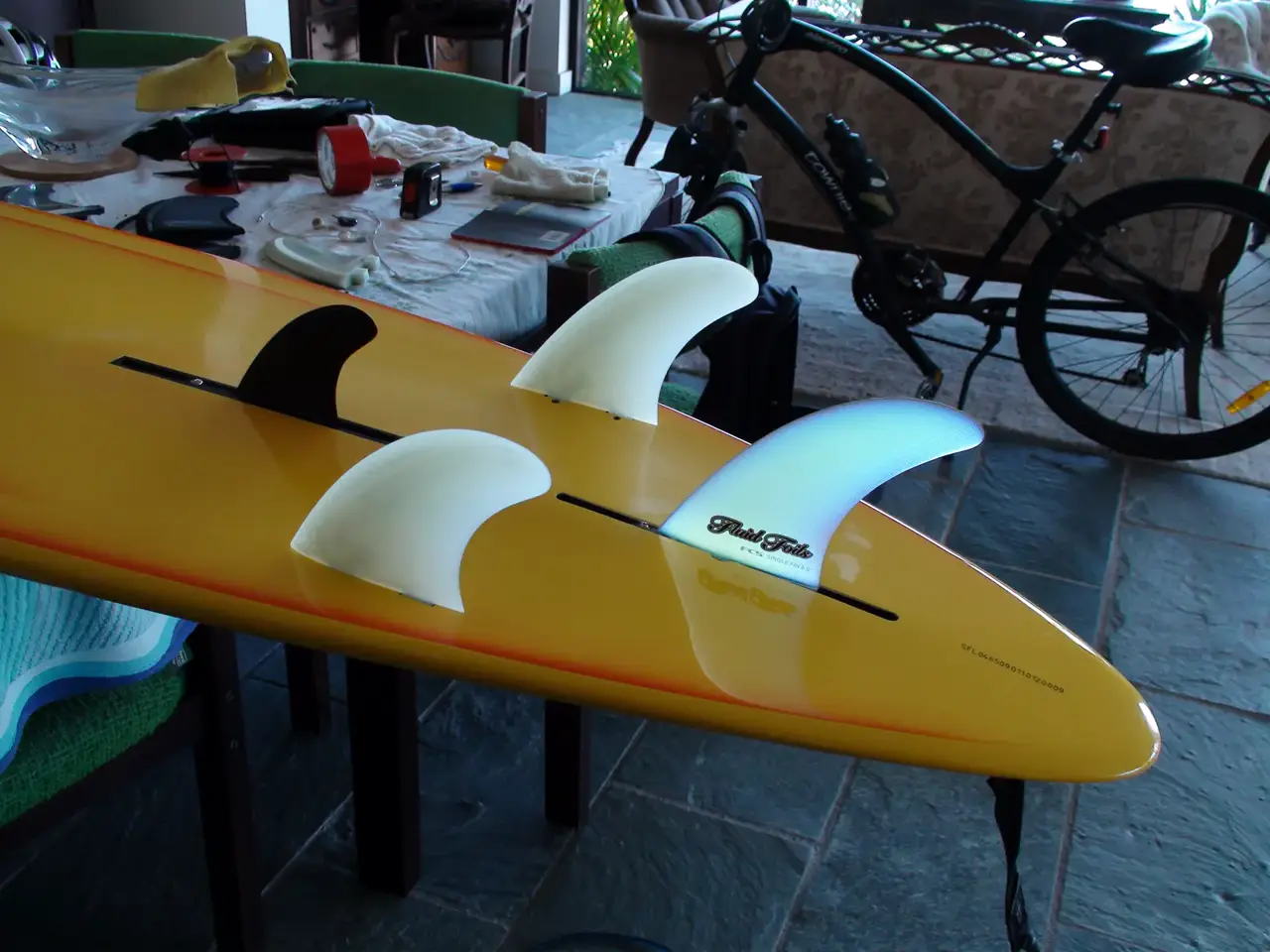
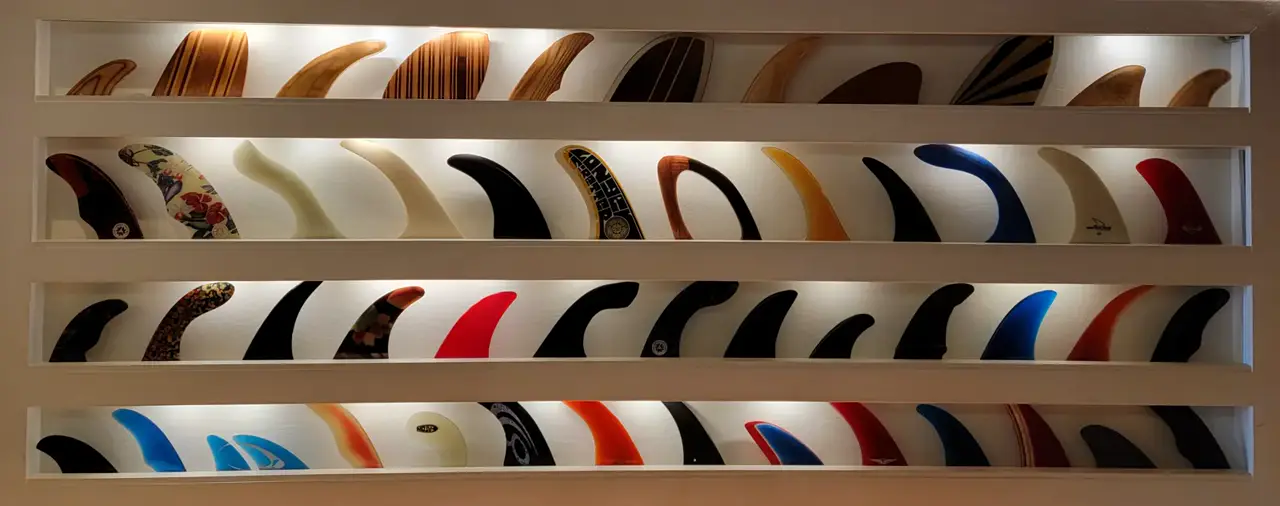
Fin choice is crucial. For the power and hold needed in larger winter swells, a thruster (3-fin) setup with larger, more upright fins is a common choice. They provide a balance of drive, control, and maneuverability. However, many surfers also find great success with a quad (4-fin) setup, especially in hollower waves, as they offer excellent speed and hold. The added push from a quad can be beneficial when trying to accelerate through sections while wearing a bulky wetsuit. Explore different options with our Fin Systems Guide.
Pro Tip: Consider experimenting with different fin materials. Carbon-based fins can offer a stiffer flex pattern, translating to more drive, while honeycomb fins provide a lighter feel that can still generate plenty of speed.
Best Cold Water Surfboards by Type
Different types of boards cater to different wave sizes, surfer skill levels, and preferences. For northwest surfing quiver or anyone braving sub-zero temperatures, here are some top contenders.
Performance Hybrids & Fish Designs
These are often the go-to choices for many cold water surfers. Boards like the CI Fishbeard, Firewire Seaside, or similar hybrid shapes offer a fantastic blend of paddle power, speed, and maneuverability. Their wider nose, flatter rocker, and generous volume make them excellent wave-catching machines, while the swallow tail or wide squash tail provides drive and hold. They excel in a variety of conditions, from mushy winter waves to more playful barrels.
- Benefits: Excellent paddle power, great for generating speed, forgiving, versatile across wave types.
- Ideal for: Intermediate to advanced surfers looking for a fun, high-performance option for everyday winter waves.
The Cold Water Groveler
Don't let winter's powerful swells fool you; there will still be plenty of smaller, less-than-ideal days. This is where a cold water groveler shines. These are typically shorter, wider, and thicker boards designed specifically to maximize wave count in weak or mushy conditions. Think parallel outlines, extra foam under the chest, and often a five-fin option for versatility. A good groveler allows you to have a blast even when the swell is minimal, making it an essential part of any comprehensive northwest surfing quiver.
- Benefits: Catches tiny waves easily, generates speed from nothing, keeps you in the water on flat days.
- Ideal for: Surfers who want to maximize their wave count on smaller, weaker winter days.
Step-Ups & Semi-Guns for Serious Swells
When the winter swells truly awaken, bringing overhead and double-overhead waves, you'll need a board that can handle the power. Step-ups and semi-guns are longer, narrower, and often have more rocker than your everyday board. They provide stability at high speeds, better hold in steeper faces, and superior control in critical sections. While these are not primary cold water surfboards for everyday use, they are crucial for those committed to chasing significant winter swell events.
- Benefits: Superior hold and control in large, powerful waves, stable at high speeds.
- Ideal for: Advanced surfers confidently tackling overhead waves and serious winter swell.
Longboards for All Conditions
A performance longboard can be an incredible asset in a northwest surfing quiver, particularly for cold water surfing. Their immense paddle power and stability make catching waves incredibly easy, compensating for thick wetsuits. They can handle anything from tiny peelers to larger, more organized swells. While less maneuverable than shorter boards, they offer a different kind of glide and a relaxed approach to winter waves. Learn more about different board categories in our Board Types Guide.
- Benefits: Maximum wave count, excellent glide, strong paddle power, great for less intense winter days.
- Ideal for: All skill levels looking for maximum wave count and a classic surfing experience in cold conditions.
Materials and Construction for Cold Water Surfboards
Choosing the right construction for your cold water surfboards is vital for both performance and longevity, especially given the harsh conditions. Traditional polyurethane (PU) with polyester resin remains a popular choice for its classic feel and flex, offering a smooth ride in powerful waves. However, cold temperatures can make PU more susceptible to dings and pressure dents.
Epoxy construction (EPS core with epoxy resin) has gained significant ground for best boards for winter surfing. Epoxy boards are generally lighter, more durable, and have a livelier, flexier feel. Their increased buoyancy also inherently acts as an advantage when trying to compensate for the weight of surfboards for thick wetsuits. Many shapers now offer EPS/epoxy variations with specific flex patterns designed for cold water performance. Some advanced constructions also incorporate carbon reinforcement in critical areas to enhance durability and direct drive.
Expert Quote: "In cold water, the board needs to feel alive under your feet, despite the layers of rubber you're wearing. We often recommend a slight increase in thickness and volume, and for many in the PNW, an epoxy board with durable glassing just makes sense for consistent performance and resilience," says an experienced shaper based in the Pacific Northwest.
Building Your Northwest Surfing Quiver
For surfers in regions like the Pacific Northwest, Canada, or the UK, a well-thought-out northwest surfing quiver is essential. It's not just about one perfect board, but a selection that handles the diverse conditions these areas throw at you.
- Everyday Cold Water Performer: A high-volume shortboard hybrid or a performance fish (e.g., 5'8" - 6'4" range, 30-38L) for 2-6ft waves. This is your workhorse.
- Cold Water Groveler: A shorter, wider, and thicker board (e.g., 5'2" - 5'8" range, 30-35L) for small, gutless days. Think maximum fun in minimal swell.
- Step-Up/Semi-Gun: For those big winter swells (e.g., 6'6" - 7'6" range) that demand serious control and paddle power.
- Longboard (Optional but Recommended): For cruisy days, mellow logging, or when you just want to guarantee waves. (8'0" - 9'6"+)
This quiver allows you to adapt to the fickle nature of winter oceans, ensuring you're stoked in nearly any condition. Remember, our Board Finder Quiz can help personalize recommendations for your specific needs.
Advanced Tips for Cold Water Surfing Success
Beyond the board, there are several practical considerations for making your cold-water sessions more enjoyable and effective.
Warm-Up & Cool-Down:
Before hitting the frigid surf, a proper warm-up is crucial. Dynamic stretches and light cardio will get your blood flowing, improving flexibility and reducing the risk of injury. Post-surf, quickly getting into warm, dry clothes is paramount, ideally with something warm to drink.
Maximizing Paddle Efficiency:
With the added resistance of a thick wetsuit, every paddle stroke counts. Focus on a strong, deep paddle, keeping your body centered on the board. The extra volume in your cold water surfboards will do a lot of the work, but good technique is still essential. Long, strong strokes from the core are more effective than short, choppy ones.
Understanding Wave Dynamics:
Winter often brings more powerful and unpredictable swells. Take time to observe the ocean, understand the sets, and identify rip currents. Patience, especially in heavy conditions, is a virtue. Local knowledge is invaluable; check Surfline.com or talk to local surfers to understand specific breaks. (Surfline)
Pro Tip: Always surf with a buddy in cold water. Hypothermia can set in quickly, and having someone else there significantly increases safety. Check a reputable source like the World Surf League for safety guidelines or local surf reports. (World Surf League)
Conclusion: Embrace the Chill with the Right Gear
Cold water surfing is an incredible experience, offering unique rewards like powerful waves, serene solitude, and a deep connection with the ocean's raw power. By carefully selecting cold water surfboards that account for the challenges of thick wetsuits and frigid conditions, you can significantly enhance your performance and enjoyment. Focus on boards with ample volume, durable construction, and fin setups that provide drive and hold. Whether you choose a high-volume hybrid, a dedicated cold water groveler, or a trusty longboard, investing in the right equipment will transform your winter surf sessions.
Don't let the cold deter you from some of the year's best waves. Equip yourself wisely with surfboards for thick wetsuits, and prepare to discover the exhilarating world of winter surfing. Ready to find your perfect board? Head over to our the board finder for personalized recommendations or check out our Learn to Surf section if you're just getting started.
Frequently Asked Questions (FAQs)
Q1: What's the main difference between a cold water surfboard and a warm water one?
A1: The primary difference lies in volume and design features that compensate for the added bulk and buoyancy of thick wetsuits. Cold water boards typically have more liters, wider outlines, and sometimes flatter rocker to aid paddle power and stability, making wave catching easier in frigid conditions.
Q2: How much extra volume do I need for cold water surfing?
A2: As a general rule, many surfers add 1 to 3 liters of volume to their usual warm-water board size when surfing in a thick wetsuit. This helps maintain flotation and paddle efficiency. Using a Volume Calculator is recommended for precise sizing based on your weight and skill level.
Q3: Are epoxy surfboards better for cold water?
A3: Epoxy (EPS) surfboards are often favored for cold water due to their increased durability and buoyancy. Their lighter weight and livelier feel can help counteract the sluggishness felt from wearing a thick wetsuit. They are also generally more ding-resistant than traditional PU boards, which can be useful in colder, more brittle conditions.
Q4: What are the best fin setups for cold water waves?
A4: Thruster (3-fin) setups are versatile, offering a good balance of drive and control for powerful winter waves. Quad (4-fin) setups provide more speed and hold, especially in hollower conditions. Larger, more upright fins are generally preferred for the added power and leverage needed with a thick wetsuit. Check out our Fin Systems Guide for more details.
Q5: What is a 'cold water groveler' and why do I need one?
A5: A cold water groveler is a short, wide, and thick board designed to catch waves and generate speed easily in small, weak, or mushy winter swells. You need one to maximize your wave count and enjoy surfing on days when the waves aren't powerful enough for your performance shortboard, especially when wearing heavy winter gear. It's a crucial part of a versatile northwest surfing quiver.