Best Surfboard for East Coast Waves: Your Ultimate Guide
Discover the best surfboard for East Coast waves by understanding regional conditions. This guide covers everything from beginner boards to advanced grovelers, helping you find your perfect match for East Coast small wave surfing.
Surfboard Life · May 8, 2026 · 14 min read
Best Surfboard for East Coast Waves: Your Ultimate Guide
Finding the best surfboard for East Coast waves hinges on understanding the unique characteristics of its swell and breaks. For most sessions, you'll need a board optimized for smaller, less powerful surf, focusing on paddle power and speed. This guide will help you navigate the nuances and select the perfect craft for everything from knee-high rollers to hurricane swells, ensuring you dominate your local lineup.
The East Coast of the United States offers a diverse, yet often challenging, surfing environment. Unlike the powerful, consistent groundswells of the Pacific, East Coast waves are predominantly generated by local wind systems, tropical storms, and nor'easters. This results in shorter period swells, choppier conditions, and smaller wave faces on average. From the fickle wind-mush of Florida to the punchier, but less frequent, surf of the Carolinas and the colder, more lined-up breaks of the Northeast, each region presents its own unique demands. To truly excel here, you need a quiver built for versatility and efficiency in less-than-ideal conditions. This comprehensive guide will dissect the optimal board types, designs, and considerations to help you find the best surfboard for East Coast waves, whether you're a seasoned local or just starting your Learn to Surf journey.
Understanding East Coast Wave Dynamics: Why Your Board Needs Are Unique
Surfing on the East Coast requires a specialized approach due to its distinctive wave patterns. The majority of surf days are characterized by smaller, weaker waves, often referred to as grovel conditions. These aren't the thumping, hollow barrels found on tropical reefs, but rather more forgiving, yet less powerful, windswells. This fundamental difference means that the best surfboard for East Coast waves often prioritizes attributes like paddle power, early wave entry, speed generation, and maneuverability in softer sections.
"East Coast waves demand boards with plenty of foam and flatter rockers to maintain speed and glide," notes an experienced shaper from New Jersey. "You're not dropping into a two-story face; you're often generating your own speed on a shoulder-high ripple." This directly contrasts with high-performance shortboards designed for powerful, critical surfing, which can often feel sluggish and difficult to paddle in typical East Coast conditions. Therefore, our focus here will be heavily on boards that excel as an east coast small wave surfboard, enabling you to catch more waves and make the most out of every session.
Understanding your local conditions is crucial. Are you surfing the long, peeling beach breaks of Florida, where a longboard for East Coast surfing might be your daily driver? Or are you aiming for the occasional powerful sandbar surf in North Carolina during a hurricane swell? Perhaps you're battling the choppy, inconsistent waves of the Northeast, needing a workhorse small wave groveler east coast board. These regional nuances dictate specific design choices, from outline and rocker to rail shape and fin configuration. Don't forget to use our Surfboard Anatomy guide to understand how each component influences performance.
Pro Tip: Always carry a board with significant volume. On the East Coast, more foam generally equates to more waves caught, regardless of skill level. Utilise our Volume Calculator to determine your ideal volume range for these conditions.
The East Coast Groveler: Your Everyday Workhorse
For the vast majority of East Coast surf days, a dedicated groveler board is your secret weapon. This category of surfboards is precisely engineered to thrive in the smaller, weaker waves that characterize much of the Atlantic seaboard. The small wave groveler east coast is arguably the most essential board in any East Coast surfer's quiver.
What makes a great groveler? These boards typically feature a flatter rocker profile, which helps them maintain speed across flat sections and generates lift in weak waves. They are also designed with generous width, particularly in the nose and tail, to increase surface area and stability. This added width, combined with increased thickness, significantly boosts paddle power – a critical factor for competing in crowded lineups and catching those marginal waves. Many reputable brands like Lost, Firewire, and DHD offer variations of these designs such as the "Puddle Jumper" or "Seaside." These boards often fall into the hybrid or fish category (learn more in our Board Types Guide).
Key design elements for an optimal east coast small wave surfboard groveler:
- Flat Rocker: Maximizes speed and glide in soft waves.
- Wide Outline: Increases stability and planing surface.
- Generous Volume: Enhances paddle power and buoyancy. Aim for 0.5 to 0.7 liters per pound of body weight for a performance groveler, higher for more relaxed surfing.
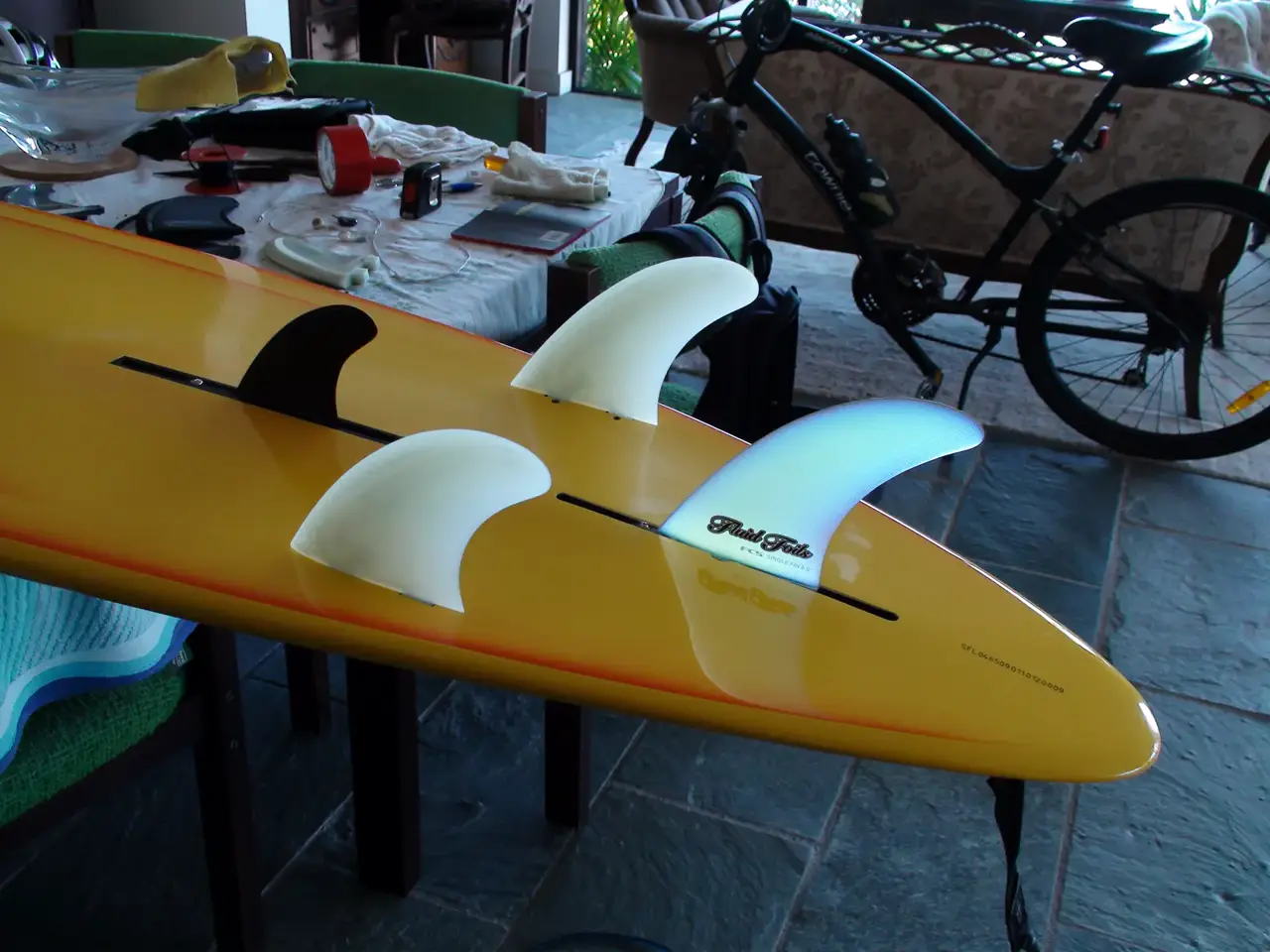
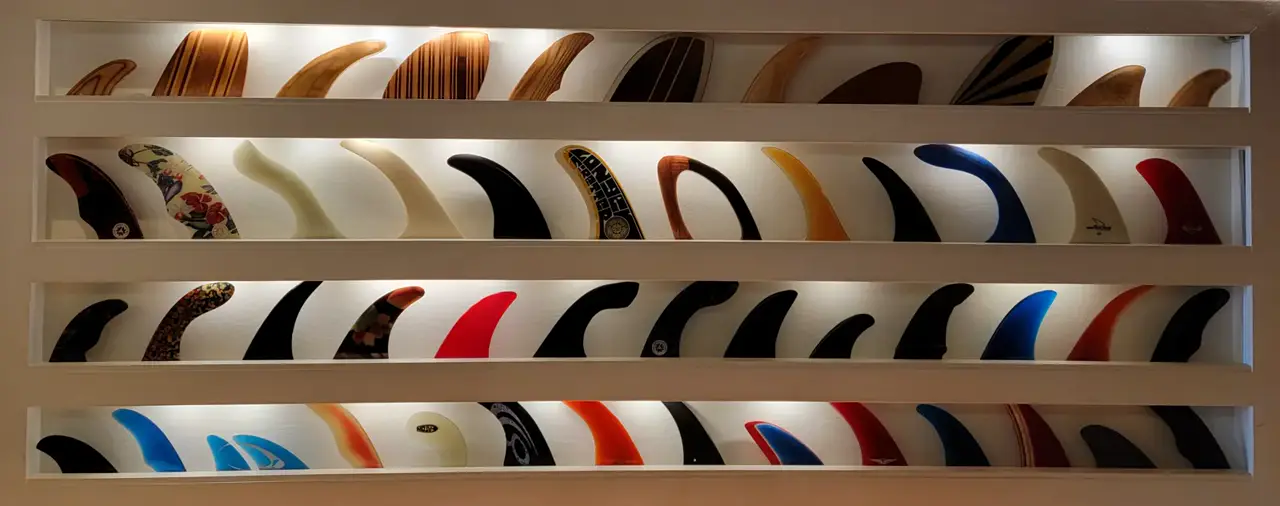
- Fins: Often run as a quad or five-fin setup to create drive, even in mushy waves. Refer to our Fin Systems Guide for more on fin choices. Twins can also be incredibly fun for speed generation.
- Tail Shapes: Wider tails (e.g., swallow, squash) help maintain lift and drive.
An example of a highly rated groveler frequently mentioned by East Coast surfers is the Firewire Seaside (often ridden by Rob Machado himself). Its quad fin setup and wide, fishy outline make it exceptionally fast and maneuverable in small, gutless surf. Another popular choice is the Lost Puddle Jumper, known for its ability to turn average days into fun sessions. These boards are the epitome of the best surfboard for East Coast waves when conditions are less than stellar.
Comparing Popular Grovelers:
| Board Model | Shaper/Brand | Key Feature | Ideal Wave Size | Fin Setup | | :--------------------- | :------------ | :---------------------------------------------- | :------------------ | :------------------ | | Firewire Seaside | Rob Machado | Ultra-fast, highly maneuverable fish | 1-4 ft | Quad | | Lost Puddle Jumper | Matt Biolos | Versatile, great for speed generation | 1-5 ft | Thruster/Quad (5-fin)| | DHD Mini Twin | Darren Handley | Retro-inspired twin fin, incredibly loose & fast | 1-3 ft | Twin Fin | | JS Industries Big Baron | Jason Stevenson | Performance mid-length, paddle power, speed | 2-6 ft | Thruster/Quad |
The Longevity of the Longboard: Classic East Coast Cruising
For many, the quintessential best surfboard for East Coast waves is a longboard. The rolling, often less powerful, swells are perfectly suited to the longboard's ability to glide, trim, and nose ride. A longboard for East Coast surfing isn't just for beginners; it's a staple in nearly every experienced local's quiver, especially in regions like Florida or the Mid-Atlantic where waves tend to be softer and more drawn out.
Longboards, typically 9 feet or longer, excel in flat days by offering unmatched paddle power and wave catching ability. Their sheer length and volume mean you can catch waves earlier than anyone else, often before they fully break. This makes them ideal for learning to surf as well (see our Learn to Surf guide for more). For the experienced surfer, a well-ridden longboard transforms even the smallest ripples into a canvas for graceful maneuvers, cross-steps, and nose rides. They are particularly effective on long, forgiving peelers where you can trim for meters without losing speed.
Considerations for choosing a longboard for East Coast surfing:
- Length & Volume: Aim for at least 9'0" and sufficient volume for your weight and skill. More volume makes paddling easier in weak surf. Remember the Volume Calculator can be a helpful tool here.
- Rocker: Flatter rockers are preferred for speed and trim, while a little tail kick can help with turning.
- Fin Setup: Single fin for classic glide and nose riding, or a 2+1 (center fin with two smaller side fins) for more maneuverability and drive. Our Fin Systems Guide provides insights into these configurations.
- Construction: Traditional PU/Polyester for classic feel, or EPS/Epoxy for lighter weight and durability.
"You see a lot of longboards out when the surf is just barely breaking," says a Surfline reporter covering East Coast hurricane season. "They're perfect for extracting the maximum fun from those knee-to-waist high days." A good longboard allows you to connect sections and generate speed even when a shortboard would be bogged down. It's an indispensable choice for anyone regularly surfing the Atlantic seaboard.
Beginner Boards: Making Your Entry Easy on the East Coast
For those just starting their surfing journey on the East Coast, choosing the best beginner board East Coast specific is paramount for rapid progression and enjoyment. The goal is to maximize wave count and stability, minimizing frustration.
Soft-top surfboards, often referred to as foamies or soft-boards, are the undisputed champions for beginners. Brands like Catch Surf, Wavestorm, and Stormblade dominate this market. They offer unparalleled stability, flotation, and safety – crucial factors when learning. Their soft construction reduces the risk of injury to both the rider and other surfers, making them ideal for crowded beginner spots.
Why soft-tops are the best beginner board East Coast:
- Safety: Soft deck and fins reduce impact injuries.
- Buoyancy: High volume makes paddling and catching waves incredibly easy.
- Stability: Wide platforms help maintain balance when popping up.
- Durability: They can withstand a lot of abuse, perfect for learner mistakes.
- Cost-Effective: Generally more affordable than traditional fiberglass boards.
While soft-tops are excellent for initial learning, many beginners quickly transition to larger, high-volume hybrid or funboard shapes once they master the basics. A funboard, typically 7-8 feet long, offers a good balance of paddle power and maneuverability, serving as an excellent bridge between a soft-top and a more performance-oriented board. When considering your first board, definitely check out our Learn to Surf guide for comprehensive tips.
Pro Tip: Don't rush into a shortboard! Spending ample time on a larger, more stable board will build fundamental skills much faster and will teach you how to read East Coast waves more effectively.
Performance Hybrids and Mid-Lengths for When the Swell Picks Up
While the East Coast is known for its small waves, it does experience days with more powerful, overhead surf, especially during hurricane season or intense nor'easters. For these conditions, or for surfers simply looking for more performance than a groveler, hybrid boards and mid-lengths offer the best surfboard for East Coast waves with a bit more punch.
Hybrid surfboards bridge the gap between traditional shortboards and longboards/fishes. They typically feature more volume than a performance shortboard, a slightly flatter rocker, and a wider outline, but retain enough curve and pulled-in features for more aggressive turns. A prime example is a modern performance fish or a slightly stretched-out groveler. These boards excel in waist-to-head high waves, offering a balance of paddle power and maneuverability that a pure shortboard might lack on an average East Coast day. For East Coast small wave surfboard enthusiasts, a performance hybrid is often the quiver's linchpin.
Mid-lengths, generally ranging from 7'0" to 8'11", are another excellent option for quality East Coast days. They offer incredible wave-catching prowess, speed down the line, and carve beautifully on longer walls. They're a fantastic choice for surfers who enjoy speed and flow without the demanding nature of a performance shortboard. A smooth-gliding mid-length, often with a unique fin setup, can truly unlock the potential of a long, clean East Coast peeler. The JS Big Baron is a popular example of a high-performance mid-length that has found favor on the East Coast.
"On those clean, overhead days that pop up a few times a year, a performance hybrid allows you to attack the lip without getting bogged down, while a mid-length truly lets you draw out your turns and find speed," explains a North Carolina pro surfer featured on World Surf League (worldsurfleague.com). These boards are designed to handle slightly steeper faces and offer more control when the wave has more power than typical East Coast conditions.
Quiver Building: Tailoring Your Arsenal to Regional Nuances
Building the ultimate East Coast quiver means thoughtfully selecting boards that cater to your local wave conditions and personal preferences. The best surfboard for East Coast waves isn't a single board, but rather a versatile collection that covers the spectrum of conditions you'll encounter. Our Board Finder Quiz can help you personalize your selections.
Consider the distinct characteristics of different East Coast regions:
- Florida & Southeast (e.g., Cocoa Beach, Outer Banks): Often characterized by long, gentle beach breaks and infrequent powerful swells. A longboard for East Coast surfing is almost essential, complemented by a high-volume east coast small wave surfboard groveler for everyday fun. A performance hybrid will cover the occasional hurricane swell.
- Mid-Atlantic (e.g., Virginia Beach, New Jersey): More varied conditions, from choppy windswells to punchy sandbar breaks during storms. A versatile small wave groveler east coast is your go-to. Supplement with a longboard for the smallest days and a performance step-up for the big nor'easters. Experienced surfers might even find use for a dedicated fish or twin fin for speed in the weaker summer waves.
- Northeast (e.g., Rhode Island, Maine): Colder waters, but often more defined point or reef breaks when the swell hits. Expect more powerful, but less consistent, waves. While a groveler is useful for smaller sessions, a performance hybrid or even a slightly bulked-up shortboard becomes more relevant for solid swells. A longboard will still offer consistent fun on the average days.
Remember, your quiver should evolve with your skill level and local knowledge. Don't be afraid to experiment with different board types and fin setups (check our Fin Systems Guide). A good local surf shop (or our the board finder for personalized guidance) can offer invaluable advice tailored to your specific break.
Pro Tip: Look for boards constructed with EPS foam and epoxy resin. They tend to be lighter, more durable, and have more buoyancy, which can be a significant advantage in the weaker waves of the East Coast.
Maintenance and Care for Your East Coast Boards
With the often turbulent and sandy nature of East Coast beach breaks, proper surfboard maintenance is key to extending the life of your boards. Ding repair is an inevitable part of surfing, especially when boards are getting tossed around in choppy conditions or hitting sandbars. Our Repair Center offers comprehensive guides to help you address common dings and keep your boards water-ready.
Regular maintenance tips:
- Rinse After Every Session: Saltwater and sand can degrade materials over time. Rinse your board with fresh water after each surf.
- Check for Dings: Inspect your board thoroughly after each session. Even small cracks can let water in, leading to delamination.
- Sun Protection: Avoid prolonged direct sun exposure, which can yellow boards and weaken epoxy resins. Store boards in a cool, shaded area or a board bag.
- Wax Removal: Periodically remove old, dirty wax and apply fresh wax. This improves grip and keeps your board looking clean.
By following these maintenance practices, your best surfboard for East Coast waves will continue to perform optimally, session after session. Maintaining your equipment is an essential part of enjoying the sport and getting the most out of your waves.
Conclusion: Finding Your Perfect East Coast Ride
Navigating the diverse and often challenging conditions of the East Coast requires a thoughtful approach to surfboard selection. From the frequently mushy windswells to the occasional hurricane-fueled barrels, having the right board under your feet makes all the difference. The best surfboard for East Coast waves isn't a single, mythical craft, but a carefully curated quiver designed for versatility, paddle power, and speed generation in weaker conditions.
Whether you're seeking a high-volume east coast small wave surfboard to maximize your wave count, a classic longboard for East Coast surfing for soulful glides, or a forgiving best beginner board East Coast to kickstart your journey, understanding the nuances of rocker, volume, and outline is crucial. Embrace the groveler for your everyday sessions and have a performance hybrid or mid-length ready for when the Atlantic decides to show off. By matching your board to the prevailing conditions and your skill level, you'll unlock endless fun and progression on the unique waves of the East Coast. Don't be afraid to explore options with our Board Finder Quiz or consult our the board finder for personalized recommendations. Now get out there and catch some waves!
Frequently Asked Questions (FAQ)
What board volumes suit different skill levels in 1-3ft East Coast waves?
For 1-3ft East Coast waves, beginners should aim for high volume (0.6-0.7+ liters per pound) for maximum stability and paddle power, often found in soft-tops or funboards. Intermediate surfers might prefer 0.5-0.6 L/lb for a balance of wave catching and maneuverability in an east coast small wave surfboard. Advanced surfers can go as low as 0.45-0.5 L/lb for a performance groveler, prioritizing turning over pure volume.
How do popular small-wave boards perform in East Coast windswell vs. clean swells?
Popular small wave groveler east coast boards (like the Firewire Seaside or Lost Puddle Jumper) excel in windswell due to their flatter rocker and increased volume, generating speed from minimal power. In clean swells, they maintain speed but can feel less responsive than true performance boards if the wave is powerful and steep. Their design optimizes for mush, making them less critical on steeper drops.
Best fins and setups for East Coast small waves?
For east coast small wave surfboard grovelers, quad fin setups (e.g., futures, FCS) are often preferred for generating speed and drive in weaker waves, providing plenty of hold without sacrificing too much pivot. Twin fins are also excellent for maximum speed and looseness. For longboards, a single fin offers classic glide, while a 2+1 setup adds more control and maneuverability. Our Fin Systems Guide offers more depth on choices.
Is a longboard always the best surfboard for East Coast waves?
A longboard is often the best surfboard for East Coast waves on average days due to its superior paddle power and ability to glide across weaker swells, making it ideal for consistent wave catching and classic surfing. However, for more advanced surfers on punchier days (such as during hurricane swells), a performance hybrid or groveler might offer more dynamic maneuverability and critical surfing capabilities.
Should I buy a new or used board for East Coast surfing?
For a best beginner board East Coast, a new soft-top is often a good investment due to its durability and safety. For subsequent boards like an east coast small wave surfboard or longboard, a used board can be a cost-effective way to experiment with different shapes before committing to a new one. Always inspect used boards thoroughly for major dings or previous repairs.