Fall Surfing Board Recommendations: Ride Stronger Waves
Fall surfing board recommendations are crucial for adapting to the season's unique conditions, including bigger swells, variable winds, and colder water. This guide helps surfers, from beginners to pros, select the best surfboard for fall conditions to maximize performance and enjoyment during this prime surfing period. Discover the ideal boards to conquer autumn waves.
Surfboard Life · May 27, 2026 · 14 min read
For optimal performance during fall surfing, adjust your board choice to account for increased swell size, colder water, and often more powerful waves. The best fall surfing board recommendations typically lean towards slightly more volume for easier paddling in thicker wetsuits, and designs that handle more powerful conditions. This guide provides comprehensive advice on selecting the perfect board for autumn waves, ensuring you catch more rides and progress your skills.
Unlock Autumn's Potential: Your Guide to Fall Surfing Board Recommendations
Fall marks a significant shift in the surfing calendar. The summer crowds thin out, water temperatures begin to drop, and critically, the ocean often delivers more consistent and powerful swells. This makes autumn a prime time for surfing, but it also necessitates a re-evaluation of your quiver. Relying on your go-to summer board might not cut it when faced with punchier waves and the added drag of a thicker wetsuit. Tailoring your fall surfing board recommendations to these seasonal changes is not just about comfort; it's about maximizing wave count, improving control, and staying safe.
The transition from warm, mellow summer rollers to the more dynamic energy of autumn surf demands boards with specific characteristics. We'll explore how factors like volume, outline, rocker, and fin setup become even more critical during this period. Whether you're a true beginner looking for your first beginner surfboard for autumn waves, a progressing intermediate aiming for more performance, or an experienced surfer fine-tuning their cold water surfboard setup, this guide offers actionable insights. We'll delve into specific board types, discuss how to adjust for regional variations in swell and weather, and provide expert surfboard recommendations by season that will help you thrive amidst the changing conditions.
The Seasonal Shift: Why Your Surfboard Needs an Autumn Update
The allure of fall surfing is undeniable. The crisp air, the vibrant foliage, and most importantly, the reliable swell patterns make it a favorite season for many surfers. However, these benefits come with inherent challenges that directly impact your equipment choices. As observed by Surfline.com, fall often heralds the arrival of powerful groundswells, particularly on the East Coast during hurricane season and along the West Coast as winter storms begin to brew in the North Pacific. These conditions differ vastly from the typically smaller, softer summer waves.
First, there's the issue of water temperature. As the mercury drops, surfers don thicker wetsuits, gloves, booties, and even hoods. This additional neoprene adds buoyancy, but more significantly, it restricts movement and increases drag in the water, making paddling more strenuous. To counteract this, many experienced shapers recommend a slight increase in board volume. A board with a bit more flotation can make a substantial difference in paddle power, helping you get into waves earlier and conserve energy, especially crucial for a cold water surfboard setup.
Second, fall waves often carry more power and steepness. A board suitable for playful summer conditions might feel twitchy or unstable in a hollower, more critical autumn wave. You'll need more control, drive, and hold. This often translates to boards with slightly less overall rocker for speed, but perhaps more rocker in the tail for maneuverability in steeper sections. Fins also play a crucial role, providing the necessary drive and hold to navigate powerful waves without slipping out.
Pro Tip: Don't just consider your weight; factor in the added weight and drag of your full-winter wetsuit, booties, and gloves when calculating ideal board volume. Use our Volume Calculator to fine-tune your measurements for fall conditions.
Beginner Surfboard for Autumn Waves: Navigating Fall as a Novice
For those new to the sport, navigating the ocean in autumn presents a unique set of considerations. While the general advice for beginners still holds – prioritize foam, volume, and stability – the increased power of fall waves means choosing your beginner surfboard for autumn waves wisely is paramount. You want a board that offers maximum forgiveness but can also handle a little more push from the ocean.
Forget shortboards for now. Your best bet remains a soft-top longboard or a mini-malibu. An 8-foot (2.4m) to 9-foot (2.7m) soft-top board is generally ideal, offering ample stability and paddle power. Look for boards with generous width and thickness to maximize buoyancy. This extra flotation significantly aids paddle efficiency, which is a game-changer when you're learning to catch stronger waves and battling the currents often associated with seasonal swells. Even the gentlest autumn waves can feel overwhelming on a board that's too small.
Consider boards made with durable EPS foam cores and soft, impact-resistant decks. These constructions are not only forgiving on your body but also resilient against accidental dings, common during the learning phase. For specific models, consult our Board Finder Quiz which can help guide you to appropriate beginner-friendly options based on your weight and local conditions. While the quiz is general, remember to lean towards boards at the upper end of the recommended volume range for fall.
Key Characteristics for Beginner Fall Boards:
- Length: 8'0" - 9'6" Soft-top longboard or mini-malibu.
- Volume: High volume (typically 60-90+ liters), providing exceptional buoyancy and paddle power.
- Construction: Soft-top or durable epoxy for forgiveness and ding resistance.
- Fins: Safety-focused soft fins; usually a thruster (3-fin) setup for stability.
Progressing Beginner & Early Intermediate: Stepping Up for Fall Waves
If you've mastered the basics on a soft-top and are looking to transition to a more performance-oriented board, fall offers the perfect opportunity. You're likely catching unbroken waves consistently and perhaps attempting your first turns. For these fall surfing board recommendations, you'll want a board that bridges the gap between stability and maneuverability. This is where hybrid shapes, funboards, and even some longer performance shortboards (often called step-ups by advanced surfers, but here referring to a general progression) shine.
Look for boards in the 6'8" to 7'6" range, often with a slightly pulled-in tail compared to your beginner board, but still retaining good width through the middle. Epoxy constructions are popular for their durability and responsiveness. The goal is to maintain sufficient paddle power while gaining more control and sensitivity for critical turns. Consider a funboard with a rounder nose and wider profile for easier wave catching, but with a refined tail and fin setup that allows for more dynamic surfing. Learn more about different board shapes in our Board Types Guide.
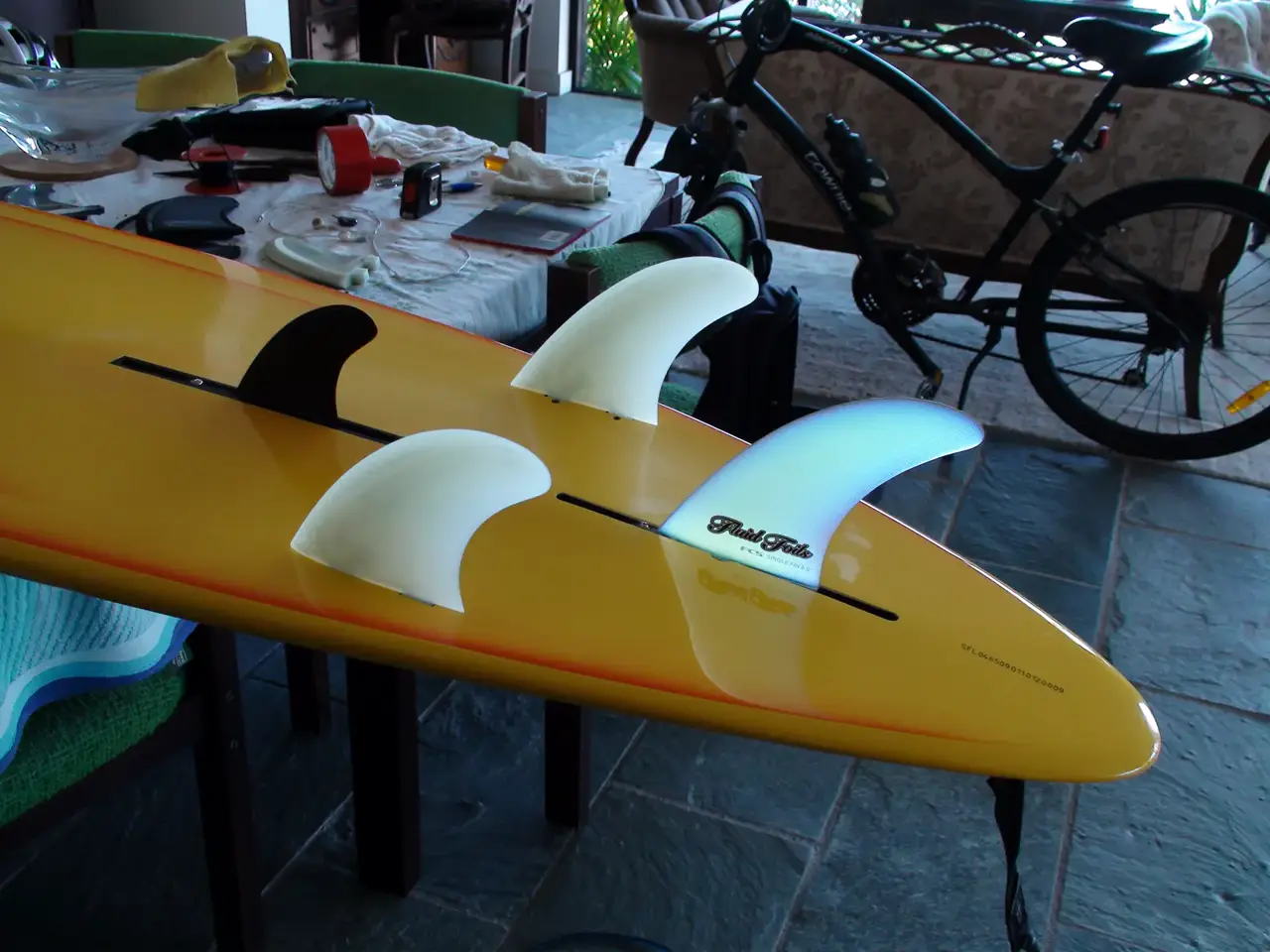
When trying out different boards, pay attention to the rocker and outline. A flatter entry rocker will help you glide into waves efficiently, while a moderate tail rocker will allow for tighter turns. A quintet (5-fin) setup can offer versatility, allowing you to experiment with thruster (drive and control) or quad (speed and looseness) configurations based on the wave conditions. Our Fin Systems Guide offers a deep dive into how fin choices impact performance, something that becomes increasingly important as you progress.
Pro Tip: When choosing your first hard-top board for fall, add 5-10% to the volume you might choose for summer conditions. This extra buoyancy will offset the resistance of your wetsuit, making paddling easier and improving your wave count. Many intermediates underestimate this effect.
Intermediate & Advanced: Performance Boards for Powerful Autumn Swells
For the experienced surfer, fall delivers the goods: consistent swells, often with more punch and less wind than summer. This is the season to pull out boards designed for performance in more substantial waves. Your best surfboard for fall conditions will likely include models with slightly more length and volume than your everyday summer shortboard, particularly if you're hitting bigger or more critical breaks. This is where the concept of a step-up board truly comes into play.
A classic step-up shortboard, typically 2-6 inches (5-15 cm) longer than your standard shortboard, provides enhanced paddle power to get into larger, faster waves earlier. It also offers increased rail length for carving long, powerful turns, and better stability in critical sections. Look for a more refined outline, often with a narrower nose and tail, and a touch more rocker to handle steep drops without pearling. The additional length also helps with maintaining speed down the line on larger walls.
Consider specialized boards for specific fall conditions. If you're chasing hollow, barreling waves, a gunnier outline with a pintail or swallowtail might be appropriate for incredible hold. For general powerful performance, a rounded pin tail is often favored for its blend of hold and release. World Surf League (WSL) pros often modify their standard shortboard dimensions with slightly more volume and refined rails when tackling powerful autumn swells, demonstrating the importance of these subtle yet significant adjustments.
Fin Setup for Performance Fall Boards:
- Thruster (3-fin): Excellent balance of speed, control, and maneuverability. Ideal for powerful, carvable waves. This remains a highly trusted setup.
- Quad (4-fin): Often chosen for speed, especially in down-the-line waves. Provides good drive but can feel looser than a thruster. Great for punchier beach breaks.
- 2+1 (single fin with side bites): Used more on mid-lengths or larger performance boards for a blend of classic feel and modern performance, offering drive and flow.
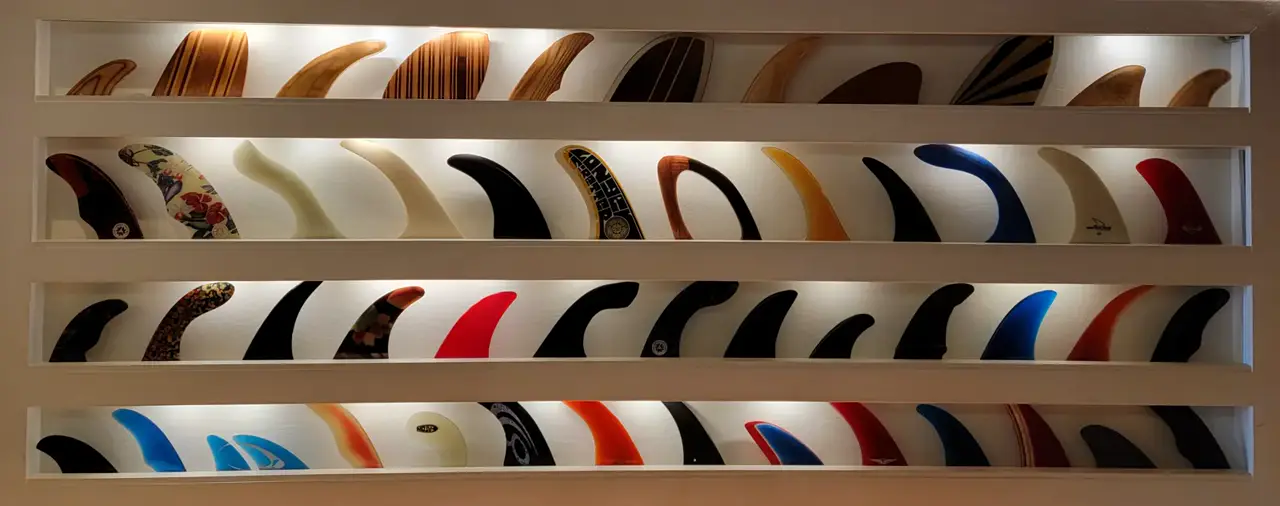
Understanding the various parts of a surfboard, as detailed in our Surfboard Anatomy guide, becomes crucial as you fine-tune your equipment for specific wave conditions. Experimentation with different fin templates and materials, detailed in our Fin Systems Guide, can dramatically alter how your board performs in varying autumn conditions.
Regional Fall Conditions and Your Surfboard Choice
Fall conditions aren't uniform globally or even regionally. Your fall surfing board recommendations should absolutely account for where you surf.
- East Coast (USA) & Caribbean: This time of year is synonymous with hurricane season. These swells can be incredibly powerful, long-period, and often mixed with local wind-chop. You'll need boards with good paddle power and stability for navigating messy take-offs but also the ability to hold a line in powerful, hollow sections. A slightly longer, wider performance shortboard or a beefed-up step-up is often ideal. Check real-time hurricane swell forecasts on Surfline.com.
- West Coast (USA) & Pacific Northwest: As winter approaches, the North Pacific begins to churn out significant groundswells. While California might still see warmer water early fall, destinations further north like Oregon and Washington will require full winter setups almost immediately. Boards here need to be able to handle cold, often turbulent conditions, and offer enough paddle power to deal with strong currents and wind. More volume is nearly always preferred for these bigger, colder waves.
- Europe (Atlantic Coasts): Countries like France, Portugal, and Ireland receive powerful Atlantic swells in autumn. These can range from world-class barrels to large, critical beach breaks. Surfers here need versatile boards that can handle a variety of conditions, from overhead points to heavy beachies. A good all-around performance shortboard with a slightly increased volume is a staple, often complemented by a dedicated step-up.
- Australia & Southern Hemisphere: While it's spring in the Southern Hemisphere, the principles of adapting to changing seasons still apply. Early spring can bring powerful storm swells, especially across Australia's south and east coasts before summer high pressures settle in. Surfers here might look for boards that blend performance with enough stability for unpredictable conditions.
Pro Tip: Before committing to a new board for specific regional fall conditions, consider renting similar models or borrowing from friends. This allows you to test different shapes and volumes in your local water before making a purchase. Your local surf shop is also an invaluable resource for specific surfboard recommendations by season for your area.
The Fall Quiver: Building Your Seasonal Arsenal
A well-rounded fall quiver helps you adapt to the notoriously variable conditions of autumn. While few can afford a board for every scenario, aiming for 2-3 boards that cover a range of wave types and sizes is a sensible strategy for serious surfers.
- Groveler/Everyday Shortboard: For smaller, weaker days that still pop up in early fall, or during lulls between swells. This is your standard high-performance board, typically 2-4 inches (5-10 cm) shorter than your height. It's great for maximizing wave count when the swell isn't pumping, but still offers performance. However, ensure it has enough volume to feel comfortable with your thicker wetsuit. Many shapers are now integrating more volume into their performance shortboards, recognizing surfers' desire for both performance and paddle ease.
- Step-Up/Performance Hybrid: This is your workhorse for most classic fall days – chest-to-overhead, powerful, and clean waves. As discussed, it's typically 2-6 inches (5-15 cm) longer than your everyday board, with a bit more nose entry rocker and a refined tail. This board will be your go-to for many of the best surfboard for fall conditions scenarios.
- Specialty Board (Optional): For those seeking very large or specific types of waves, a dedicated big wave gun or a specialized barreling board (e.g., a semi-gun, typically 6'8" to 8'0") might be added. For others, a longer, highly buoyant mid-length (7'0"-8'6") could be an excellent addition, offering impressive glide and stability on larger, more drawn-out waves, or when you just want a different type of ride. These can also be fantastic options for the advanced beginner or intermediate looking for easier wave catching on bigger days without the commitment of a full longboard.
| Board Type | Typical Length (feet) | Ideal Wave Size | Key Benefit | Rider Level | | :------------------------ | :-------------------- | :----------------------------- | :------------------------------------------- | :------------------------ | | Soft-Top Longboard | 8'0" - 9'6" | Ankle-to-Shoulder | Max stability, paddle power, forgiveness | True Beginner | | Funboard/Hybrid | 6'8" - 7'6" | Waist-to-Head | Good paddle, more maneuverability than soft-top | Progressing Beginner/Early Intermediate | | Performance Shortboard | 5'8" - 6'4" | Waist-to-Overhead | Speed, maneuverability in everyday surf | Intermediate/Advanced | | Step-Up Shortboard | 6'2" - 7'0" | Head-to-Double Overhead | Paddle power, hold in powerful, bigger waves | Intermediate/Advanced | | Mid-Length | 7'0" - 8'6" | Waist-to-Double Overhead | Glide, trim, speed, easier wave entry | All levels, focus on flow |
Remember that even the best boards require proper care. Fall often brings colder, harsher conditions which can impact your gear. Regular inspection for dings and proactive Surfboard Repair can extend the life of your boards.
Maintaining Your Boards for the Fall Season
Fall conditions are often less forgiving than summer. The transition to colder water can sometimes expose older dings or make existing repairs more prone to cracking. Always check your boards thoroughly before each session. Pay attention to the rails, nose, and tail for any small cracks that could allow water intrusion. Cold water inside a board can lead to delamination, especially if left unaddressed. Learn about basic ding repair in our Repair Center.
Additionally, consider replacing old or damaged leash cords. A broken leash in bigger, colder fall surf is not just an inconvenience; it can be dangerous. Wax selection also changes with the season. Opt for colder water wax to ensure adequate grip, as tropical or warm water wax will become too hard and slippery in cooler temperatures.
Finally, the increased swell size and power mean your gear takes more of a beating. A good board bag will protect your investment during transport, and storing your boards properly (away from direct sunlight and extreme temperatures) helps maintain their integrity year-round. These small maintenance steps ensure your fall surfing board recommendations stay in prime condition to tackle autumn's best waves.
Conclusion: Embrace the Power of Autumn with the Right Board
Fall surfing offers some of the most memorable sessions of the year, characterized by powerful swells, fewer crowds, and stunning natural beauty. However, making the most of this season requires thoughtful consideration of your equipment. By adjusting your fall surfing board recommendations to account for factors like colder water, thicker wetsuits, and increased wave power, you can significantly enhance your performance and enjoyment.
Whether you're just starting out on a beginner surfboard for autumn waves or you're an experienced surfer dialing in your cold water surfboard setup, the key is to prioritize volume for paddle power, choose shapes that provide control in steeper waves, and select fin setups that offer drive and hold. Don't be afraid to add a slightly larger or more specialized board to your quiver for this incredible time of year. Dive deeper into finding your perfect match with our the board finder for personalized recommendations.
Embrace the seasonal changes, adapt your gear, and you'll be well-prepared to ride the best waves autumn has to offer. Happy surfing!
Frequently Asked Questions (FAQ)
Q1: How does a thicker wetsuit affect my board choice for fall surfing?
A1: Thicker wetsuits (3/2mm, 4/3mm, 5/4mm) add drag and restrict movement, making paddling harder. To compensate, it's often recommended to choose a board with slightly more volume (2-5 liters more) than your summer board. This extra buoyancy helps maintain paddle efficiency and wave count in colder water.
Q2: What's the main difference between a summer board and a fall board for intermediate surfers?
A2: For intermediate surfers, a summer board might be shorter and more performance-oriented for smaller, softer waves. A fall board, often called a 'step-up' or performance hybrid, is typically a few inches longer with slightly more volume, a more refined outline, and often a pin or rounded pin tail for better hold and drive in bigger, more powerful autumn swells.
Q3: Should beginners still use soft-tops in fall, even with bigger waves?
A3: Yes, soft-tops are still the safest and most forgiving option for beginners in autumn. Opt for a longer (8-9+ feet) soft-top with maximum volume. While fall waves can be bigger, the soft-top's stability and buoyancy will help you catch them more easily and minimize injury risk while learning to manage the increased power.
Q4: Are there specific fin setups recommended for fall surfing conditions?
A4: For powerful fall waves, a thruster (3-fin) setup generally offers the best balance of drive, control, and maneuverability. Quads (4-fin) can provide more speed and looseness, particularly in hollower waves. Experimenting with different fin templates and materials can fine-tune your board's response to specific autumn conditions.
Q5: How important is volume when considering fall surfing board recommendations?
A5: Volume is critically important for fall surfing. It directly impacts paddle power and stability. With thicker wetsuits, colder water, and stronger currents, adequate volume helps surfers compensate for the added drag and effort, allowing for easier wave entry and longer rides. Use a volume calculator to find your ideal range.